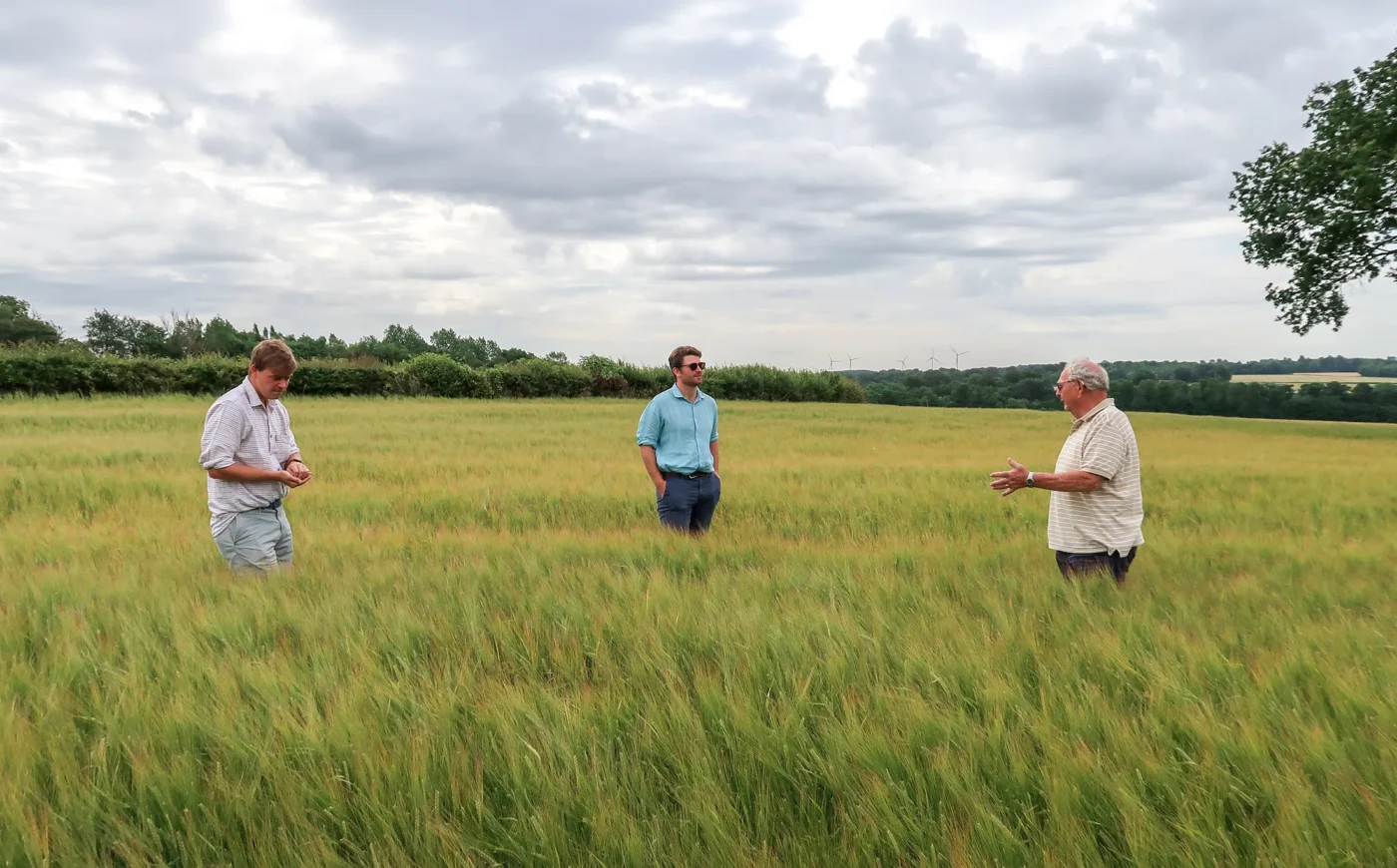
2026 has been another challenging harvest for UK cereals, with East Anglia suffering severe drought for the second-year running. However, due to our size as a specialist maltster, we have been able to hand-select the best of the crop including some outstanding barley from our home county of Yorkshire. As such, we have secured all the low nitrogen barley and other cereals we need to produce our full range of quality malts throughout 2027.
As I start to write this year’s crop report I have looked back at 2025 to remind myself what happened a year ago. It is quite scary how the two years mirror each other, with summer weather patterns repeating themselves, and the results for cereal crops being very similar.
The season
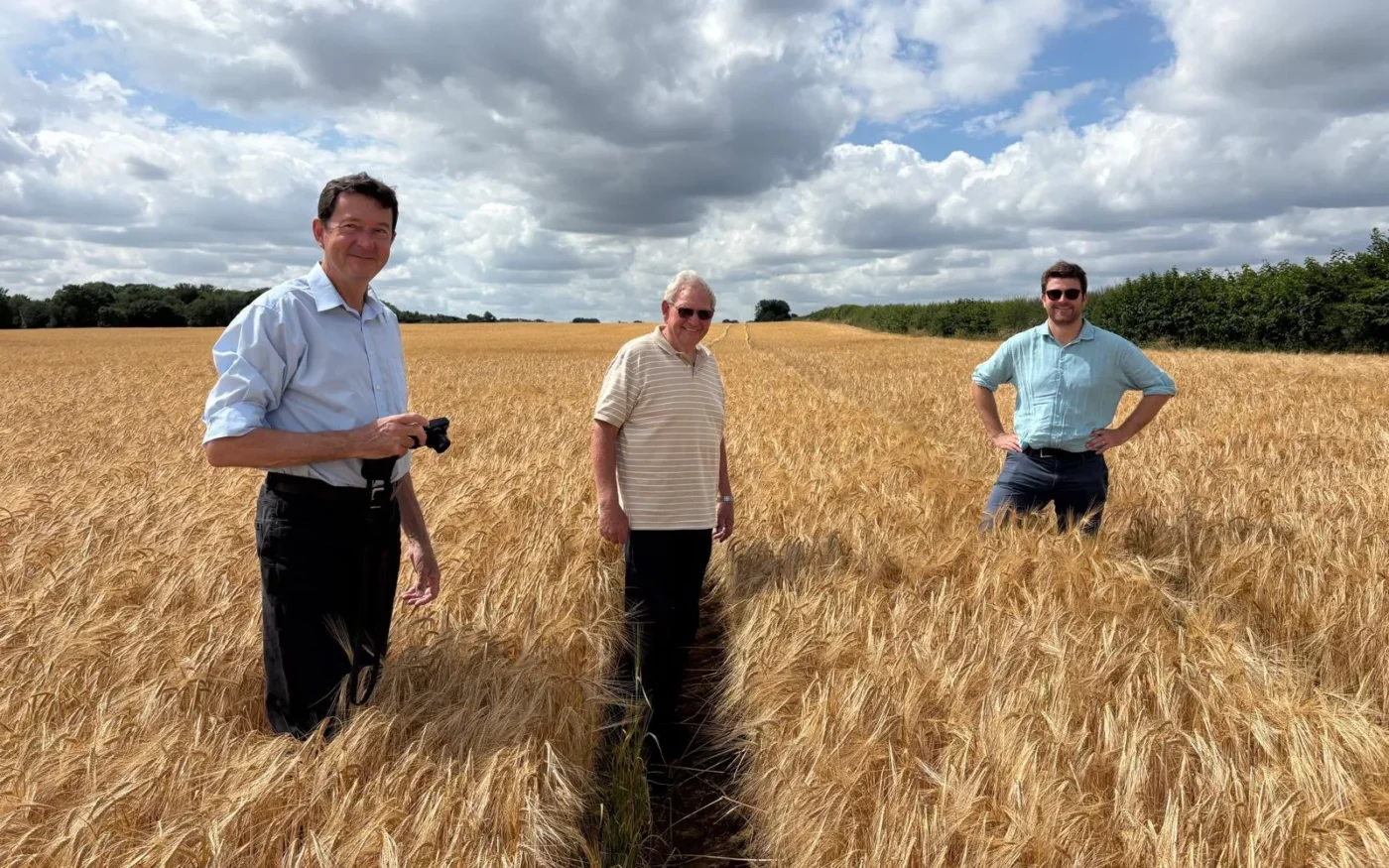
Summer 2025 was officially the warmest summer on record for the UK, but this year we have had 3 widespread heatwaves and numerous climate records being broken. By mid-July, this year had already recorded more days above 30°C than the whole of 1976. It also became the first year on record to reach 35°C in May, June and July, while overnight temperatures have been running at record levels for this stage of the summer.
Spring 2026 was the warmest on record for England and Wales and the UK’s third warmest overall. June, the first month of meteorological summer, followed suit, becoming England’s warmest June on record and the second warmest for both the UK and Wales in records dating back to 1884.
In addition to the prolonged periods of heat, the amount of rainfall has been well below average, but with quite a lot of regional variation across the UK. For a second-year running, East Anglia suffered from severe drought. Further north in Yorkshire, our home county, there was enough rain to keep crops growing, and in Scotland there were more typical amounts of rainfall recorded. However, even in areas that received some rainfall, the prolonged and excessive heat did stress the crops.
This could be easily seen within domestic gardens and along the sides of the roads where grass turned brown and many shrubs shrivelled and died. These dry conditions have placed increasing pressure on water resources, contributing to the introduction of hosepipe restrictions in some parts of England, and an increase in wildfires throughout the UK. In Yorkshire, we were fortunate to avoid the most extreme conditions – but enough about the weather…
Winter barley
The winter crop went in largely on time and in reasonable weather conditions. This allowed the crop to become established before the colder, darker months.
However, due to three successive heat waves, very hot temperatures and prolonged dry periods through late spring and early summer, the crops started to finish prematurely. East Anglia and the Southeast suffered particularly badly for the second year in succession, resulting in some very poor looking crops, thin/patchy fields and short-strawed cereals with small grain size, high nitrogen levels, and high levels of screenings (the thin grains removed before malting). Crops appeared scorched by heat and drought. Low nitrogen is the key measure of malting quality, and much of the region’s crop fell short. In an area that typically produces very good quality malting barley, farmers were struggling to produce even feed.
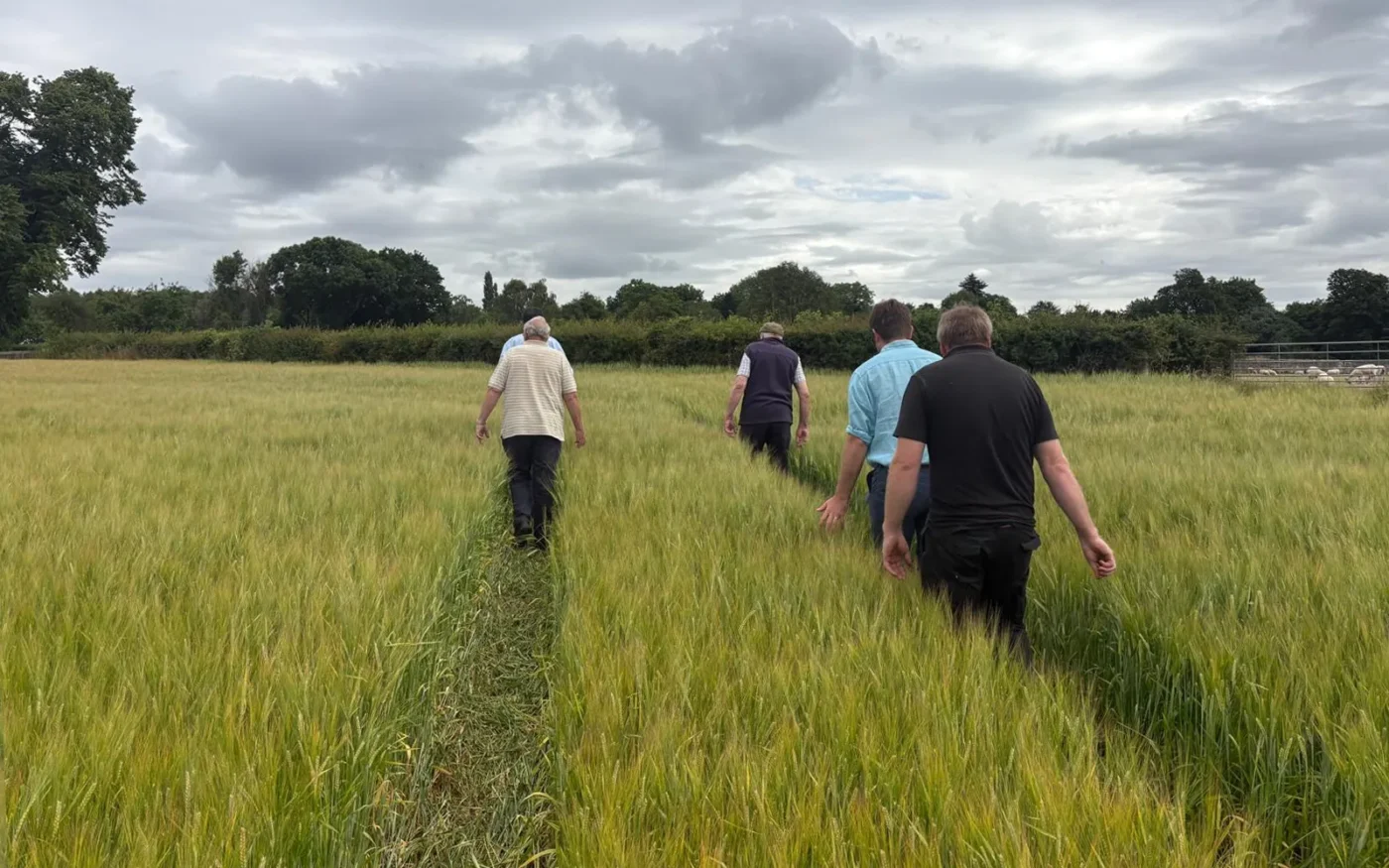
Fortunately, the situation was not this bleak everywhere as some areas of the country did receive rain and fared better. From our crop walks in late June and early July it was obvious that the barley in Yorkshire was going to be much better than we had seen in East Anglia. The winter crops had reasonable density and looked as though the nitrogen had been taken up at the right time. However, all were being affected by the heat and harvest was very early (again). The first samples of Maris Otter from the south were received on the 8th July. This was followed by a frantic rush of farmers harvesting all winter crops simultaneously and needing crops to be moved off farm, then into stores.
Quite a lot of the Maris Otter from East Anglia failed to make our rigorous specification and was rejected. The Otter from Yorkshire turned out to be the pick of the crop: big grain size, low screenings, and low nitrogen — once again showing that heritage varieties were able to withstand the variable weather better than more modern varieties. The other winter varieties from Yorkshire were generally good quality, although some samples had higher levels of screenings and slightly smaller grain size. Farm yields were down as well, which was to be expected.
Spring barley
The spring crops went in relatively on time, and early signs were favourable. Again, harvest was very early…
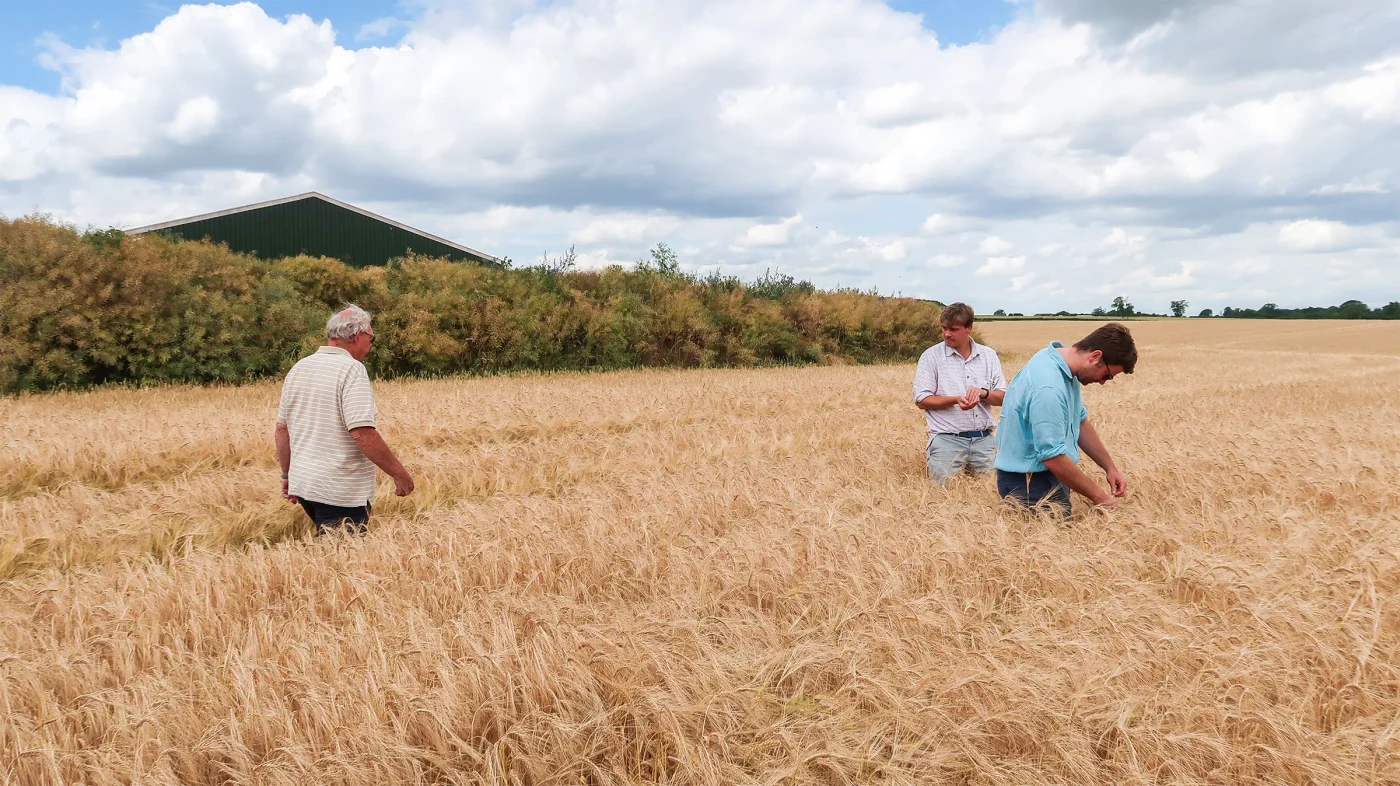
No sooner had we paused to take breath after the stampede of winter barley samples than the spring barley started; the first sample being bought on 21st July. The early spring samples were encouraging: reasonably large grain size and low nitrogen. However, as harvest progressed, there were more and more samples of high nitrogen, reflecting the lack of rain during the prime growing period and nitrogen uptake happening at the wrong time. Cereal prices had been rising steadily, influenced by the heat and drought affecting the quality in the South East of the UK and in Europe, together with the ongoing conflict between Russia and Ukraine targeting grain ships and key export ports. As a result, prices for low nitrogen malting barley were at a premium, but we managed to select the best samples of Laureate, together with Golden Promise that is grown on contract, to ensure we have some excellent spring barley for making our brewing and distilling malts.
What this means for our malt in 2027
Being based in Yorkshire has served us well this year: we sit in the heart of the region that produced the best barley in the country, with long-standing relationships with the farmers who grow it. Being a smaller, specialist maltster means we can select the best samples from what is available, and we have done exactly that. Anyone with larger barley requirements, will most likely have to increase their maximum nitrogen specification limit and/or be prepared to transport it from further afield to secure enough barley to meet their requirements.
This year, just like 2025, the harvest has been both early and condensed into only a few weeks. Sifting through and hand-evaluating to select the best, lowest nitrogen samples was an intense process and was completed in record time. As I write this article (middle of August), we are finishing transporting the last barley into store that was bought for movement straight off farm at harvest.
Although this has been another very difficult and challenging year for farmers and cereal crops in the UK, I can confirm that we have been able to move quickly and buy enough low nitrogen barley to produce our full range of quality malts, ensuring they will be available throughout 2027. All our valued customers can be reassured of our commitment and ability to supply them with the very best malts available. As ever, if you would like more detail on this year’s crop, or the malts we will be making from it, please do get in touch. We are always happy to talk barley.
Brian Hickman, Production Director, Thomas Fawcett & Sons